

I used to hold the Oscars to the highest of standards, as if what they said became law. The film that won best picture was the best film that came out that year. However, with time and an education around the history of the Oscars, I’ve come to realize that more often than not this isn’t the case.
Sometimes there is immediate shock. We know right away that the Academy and it’s many members chose wrong. The disappointment fills the air as soon as the film’s title is announced. In other cases, the disapproval develops over time. As a movie get the chance to make it’s culture impact, people look back with surprise to see it lose to a movie that has not stood the test of time. There are many cases for both and several similar examples throughout the other Oscar categories, but we will get into that another time.
Right now, I want to focus on those times when you know that the Oscars closed out the evening with the right movie. A pick that makes you think, “Well, of course. What else were they going to choose?” Or, at least, a winner that makes me think that.
I scoured through the archives of Best Picture winners and chose ten movies that I was most excited to see win the big prize. Below they are ranked in order of how much I the movie, not how deserving they were to win. And remember before you jump in: this is just one girl’s opinion!
**SPOILERS AHEAD**
10. Moonlight -2016
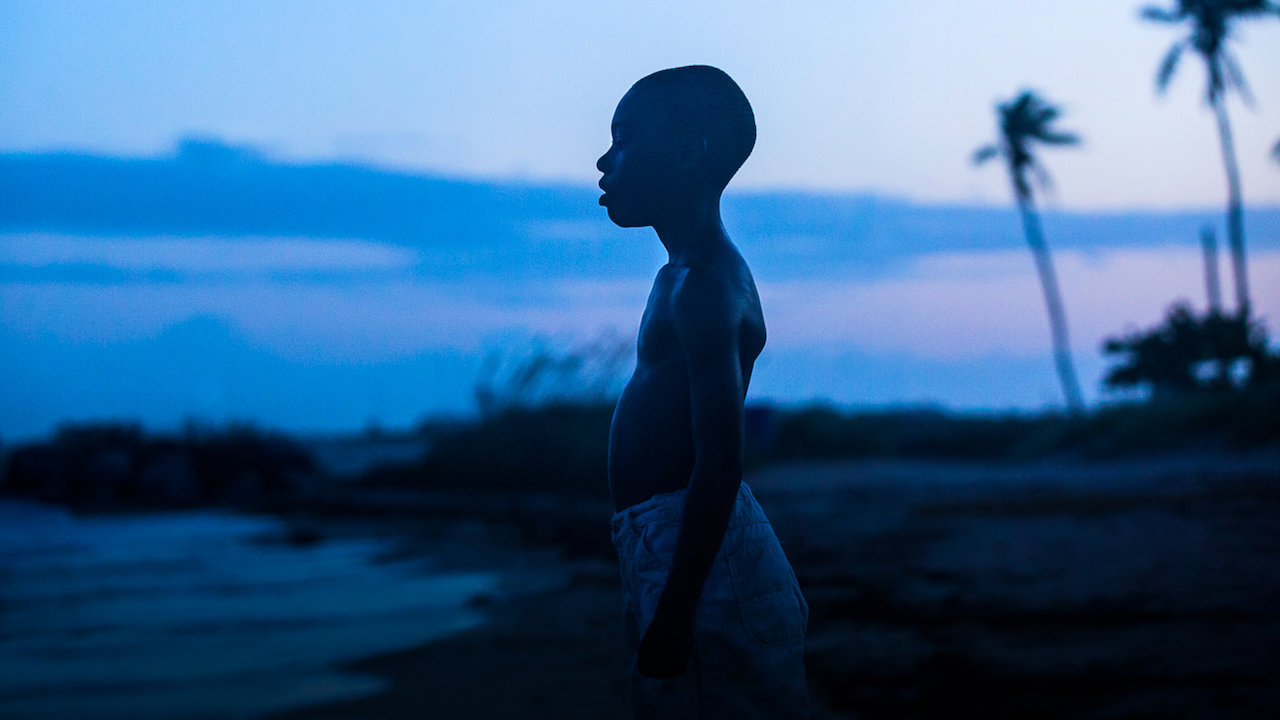
Movies it beat out: Arrival, Fences, Hacksaw Ridge, Hell or High Water, Hidden Figures, La La Land, Lion, and Manchester By The Sea.
This was a great year for best picture nominees, it was also a great year for me crying at the movie theater. Arrival, La La Land, Lion, and Manchester By The Sea were all punches to the soul in their own unique ways, and they all drew tears. None, however, made me feel the way Moonlight did. And when a movie makes you feel like that, you remember it.
I saw Moonlight with my parents during the weeks leading up to the Oscars. What really struck me about this viewing was not that I cried while watching, but rather how I responded after we left the theater. As we walked out into the cool evening alongside our fellow movie-goers, I felt the tears coming again. They had stopped as the credits rolled and we left out seats, at movie tears typically do. But these were crawling back up into my eyes, begging to be let out. In the moment I thought I was doing a good job holding it in, but not long after we exited the theater, my mom put her hand on my shoulder and told me, “wait until we get into the car.” Sure enough, as soon as the doors closed, the tears poured out. I cried the whole way home.
It wasn’t quite sadness that washed over me, but relief. A relief that manifested itself through tears. I cried because after all that – the pain and pretending – Chiron was able to be himself. After 111 minutes of viewing for me and a lifetime for him, he was free of the internal and external forces holding him back.
Moonlight impacted me in just the way it was supposed to. The film masters the art of bringing you in, but holding you at an arms length. It is both relatable in it’s broadness and deeply personal in it’s focus. Coming to terms with one’s identity is a journey that we all navigate throughout our lives. As the film so achingly portrays, this acceptance rarely happens over night. Sometimes it takes a lifetime. That part of the narrative ties you in, it brings you close. Yet Chiron’s story is uniquely his own. The story of a the struggles of a gay, Black man with a single, drug addicted mother growing up with the bare minimum for support. The story filled with betrayal by those who do accept him further ingraining his urge to suppress himself, is wholly his own.
When La La Land “won,” I was furious. Furious because I while I thoroughly enjoyed La La Land – especially it’s no bullshit ending – it wasn’t the best film of the year. It brought about a lack of faith in the Oscars and the system to not recognize the best film of the year. While that mix-up was definitely sad for La La Land and awkward for literally everyone viewing – it was ultimately a wrong righted. And the relief that washed over me was similar to that which caused me to cry all the way home from the movie theater.
9. West Side Story (1961)
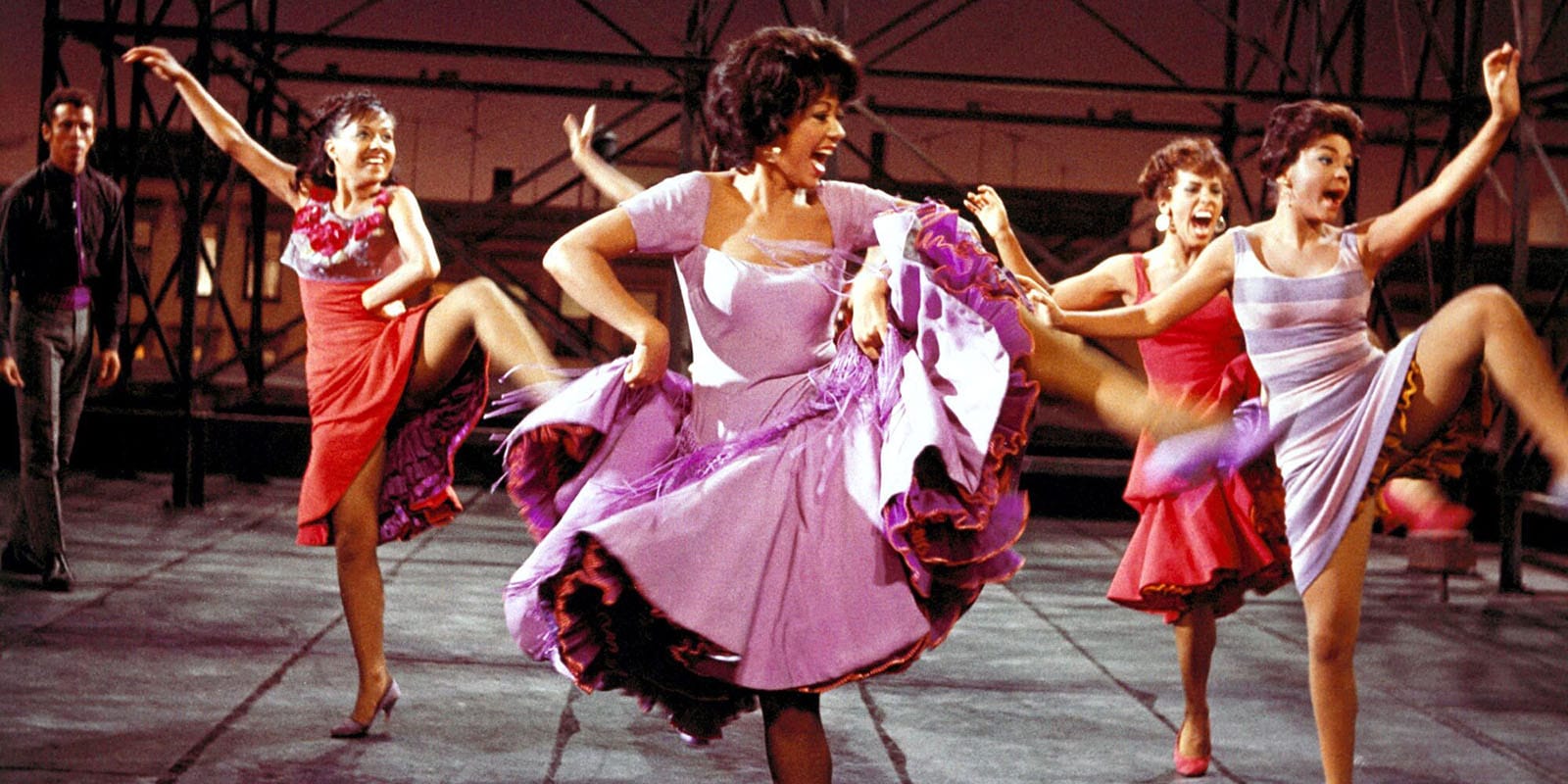
Movies it beat out: Fanny, Guns of Navarone, The Hustler, and Judgement at Nuremberg.
I saw West Side Story before I ever read or viewed any rendition of Romeo and Juliet. Besides word of mouth whispers, this was my introduction to one of the most iconic stories in history.
The first time I saw West Side Story, I was in grade school. We watched it in music class. I don’t remember why we watched it or what the rationale was, but I do remember instantly falling in love. From the moment the camera panned through New York City in the long opening shot, I was hooked. The songs, the dancing, the drama – it was unlike anything I had ever seen. Even though I didn’t fully understand the message that this version of the classic story was telling or the legacy of the film, I fell head over heels.
To this day it is not only my favorite version of this famous tale – of which there are far too many, in my opinion – but one of my favorite musicals. The songs regularly find their way on the queue of tunes that get stuck in my head without me having to hear them. Rita Moreno’s turn as Anita is one of my all time favorite performances. “America” is one of the songs that made me fall in love with musical theater.
Each time I revisit the film, the quality impresses me. Here is a film that is so grand in it’s scope and length, yet so intimately romantic. A film so full of joy and song, but also filled with tragedy and tears. It captures the essence of Shakespeare’s tale and injects it with the racial and sociopolitical realities of the time. The acting is beautiful, the characters are big when they are supposed to be big and small when they need to be. Though some of the casting choices have aged quite poorly, the film and it’s impact stand the test of time. So much so that one of my great cinematic loves – Steven Spielberg – felt so inclined to remake it this past year.
For a film that meant so much to the world of cinema and theater (and me), it just sits well that it won Best Picture.
8. Terms of Endearment (1983)
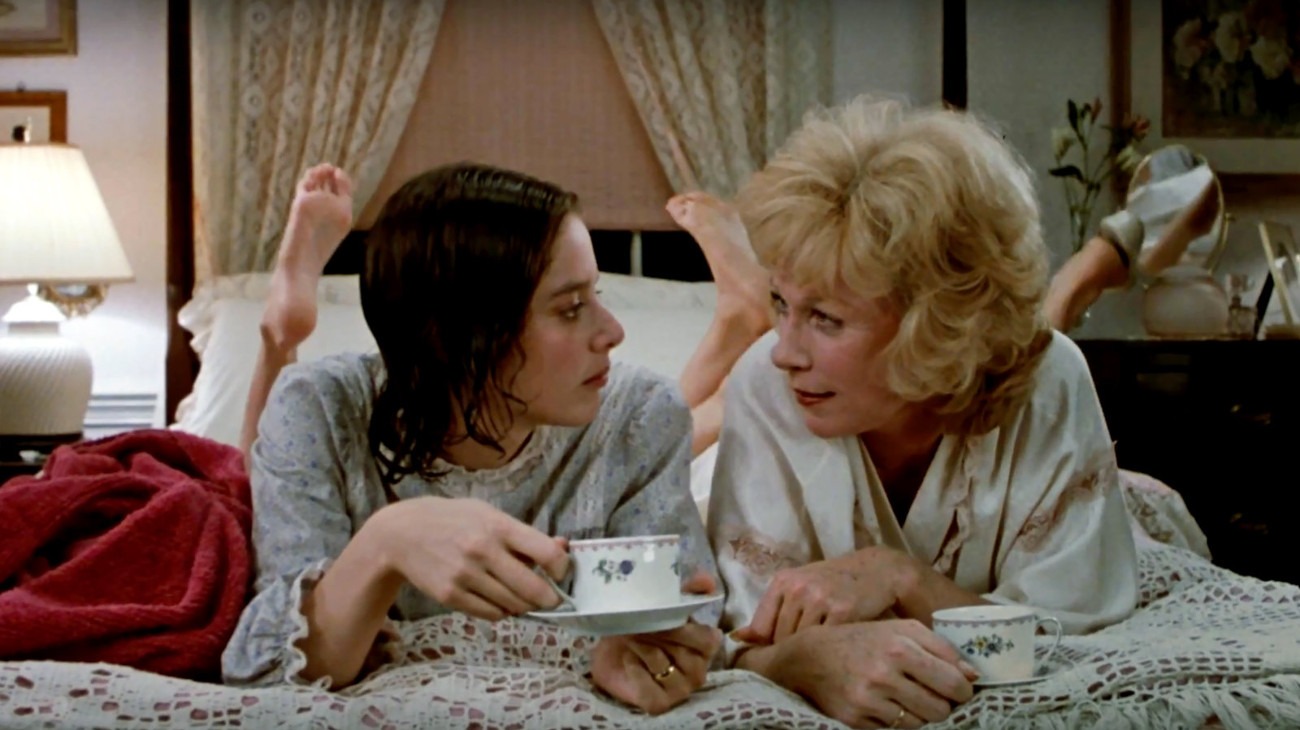
Movies it beat out: The Big Chill, The Dresser, The Right Stuff, and Tender Mercies.
When my parents and I decided to watch Terms of Endearment one night, I didn’t know much about the movie. I knew from an observation of the still image presented on Netflix that it starred Debra Winger and Shirley MacLaine. I knew it was a drama about family and I knew that both my parents liked it enough to agree on it for our little movie night. So I sat back on the sofa and unwillingly subjected myself to having my heart ripped out by those same two actresses in the still image.
This is one of the most beautiful movies I’ve ever seen. Granted, this is coming from someone who not only appreciates an emotionally driven relationship drama, but also someone who loves that niche film genre about the complicated and beautiful relationship between a mother and he daughter. It’s a specific type of movie that really hits me in the feelings (see: Lady Bird). So really, there was no chance that I wouldn’t like this movie.
The performances are simple, because they don’t have to be anything more than that. This is a movie about real life, it’s a movie about the lives of normal people and the beauty in those relationships. The performances don’t need to be big and booming. They are so remarkable in their flaws, flaws so believable that they are painful to witness.
It is an achingly beautiful portrayal of life and the relationships we form along the way. Of how even through the ups, the downs, the dull, the exciting there are people that we are forever tied to. In the end this movie is so sad and impactful because it feels like it could be unfolding right at this moment in the home of some American family.
7. Schindler’s List (1993)
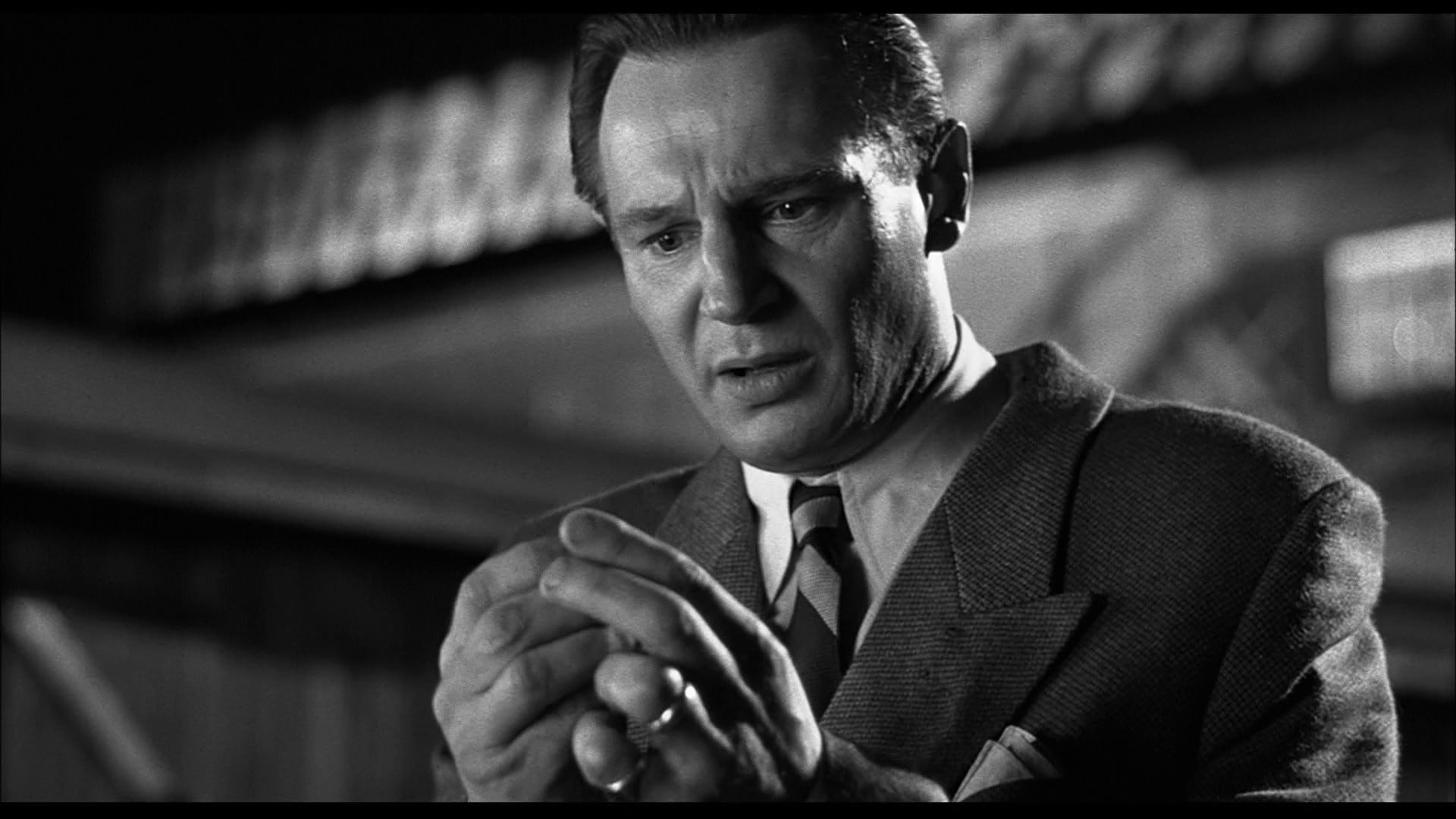
Movies it beat out: The Fugitive, In the Name of the Father, The Piano, and The Remains of the Day.
This might be the most deserving Best Picture winner of all time. Schindler’s List is masterfully created all the way from the choice to make it black and white to some of the best acting performances to ever grace the screen. It evokes horror and pain, compassion and sorrow. It’s a movie that takes as much from you as it gives you. While it takes your tears and your energy, it rewards you with one of the richest stories in the history of cinema.
The affect that this movie has on everyone who has seen it can truly not be overstated. It sticks with people, stays with them like a scar that they will wear for the rest of their lives. It is unrelenting in it’s impact, on the light it shines on a period of time we spend so much time dipping into in literature and film. Yet this movie stands high above the rest.
Looking past the pure and purposeful cinema of it all, the performances are all time. They take the face of an actor you know and turn them into the character in a way that you cannot shake. Liam Neeson will always be Schindler to me. No matter how many vengeance-driven or survivalist or former-CIA-agent movies he manages to star in over the years, he is always the stoic man who saved all those lives. The man who sobbed that he couldn’t save more. And don’t even get me started on Ralph Fiennes. His performance gets better and better each time I see him in another film. The fact that the man who goofs around and warms your heart throughout Wes Anderson’s Grand Budapest Hotel is the same guy who plays one of the most heartlessly brutal characters in cinematic history is enough to knock me out of my chair. If you think that’s dramatic, you should know that I never thought Voldemort was a scary character until I found out Fiennes was playing him. Knowing what he was capable of made me truly fear Voldemort both on film and on the page.
Few films on this list feel like they should be put on a must-see list for all of humanity, but this one does. It is just as important as it is well-made and if that isn’t deserving of a Best Picture win, then I don’t know what is.
6. The Sting (1973)
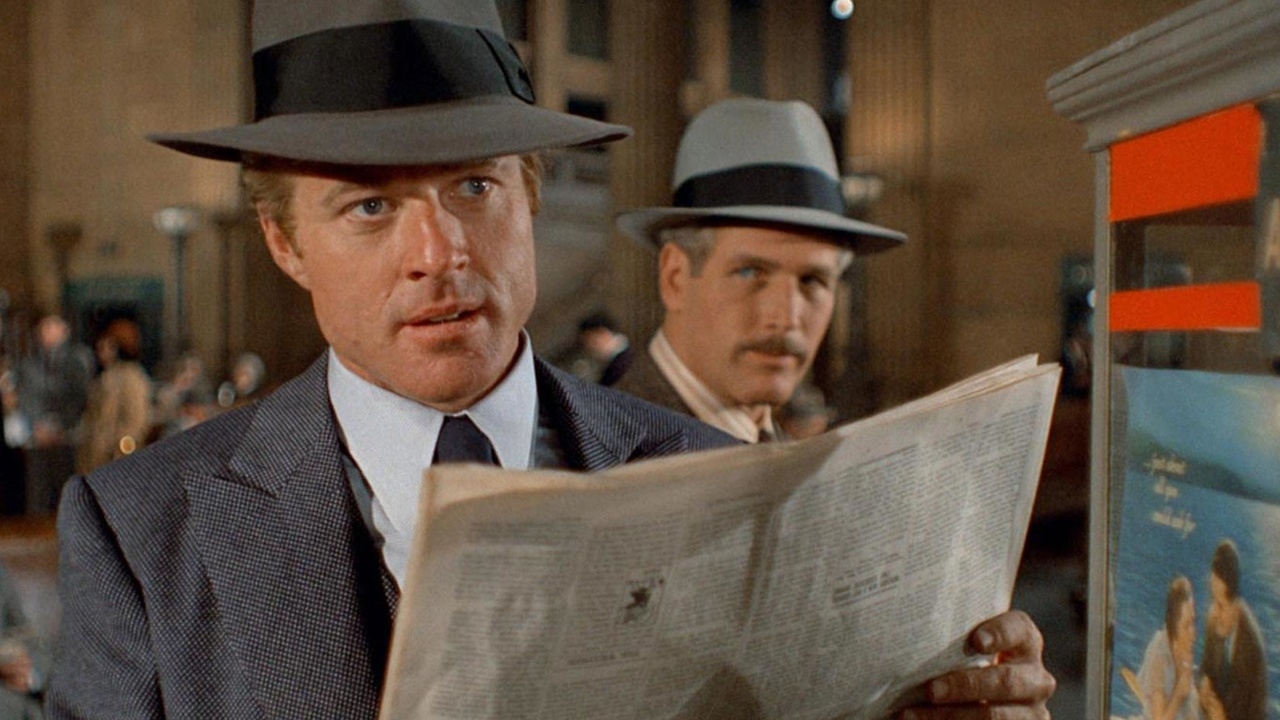
Movies it beat out: American Graffiti, Cries and Whispers, The Exorcist, and A Touch of Class.
The first time I watched The Sting was back when Netflix delivered DVD’s in the mail. When you would log on to their website not to stream the latest original content, but to add another title to your queue. When the description of the film was written on a sleeve containing your disk. There was something so exciting about the brief moment when you forgot what was next on your queue and ripped open the envelope containing your disk.
This particular week I was disappointed to see a movie from 1973 arrive at our house. While my father was thrilled, I was apprehensive. I watched probably 15 minutes before I ditched out, calling it one of the most boring movies I had ever seen.
Years later when it was available via streaming, I gave in and gave this classic another shot. By the end I was giggling with joy at the caper. The antics of Paul Newman and Robert Redford, some of Hollywood’s most iconic stars, had fooled me. I fell right into their trap and could not stop smiling all the while.
I had to swallow my pride during this second viewing. Swallow my pride because I was having the time of my life watching this movie. It’s the kind of movie that walked so capers like the Ocean’s trilogy could run. The kind of movie that mastered the con and had so much fun doing it.
5. Parasite (2019)
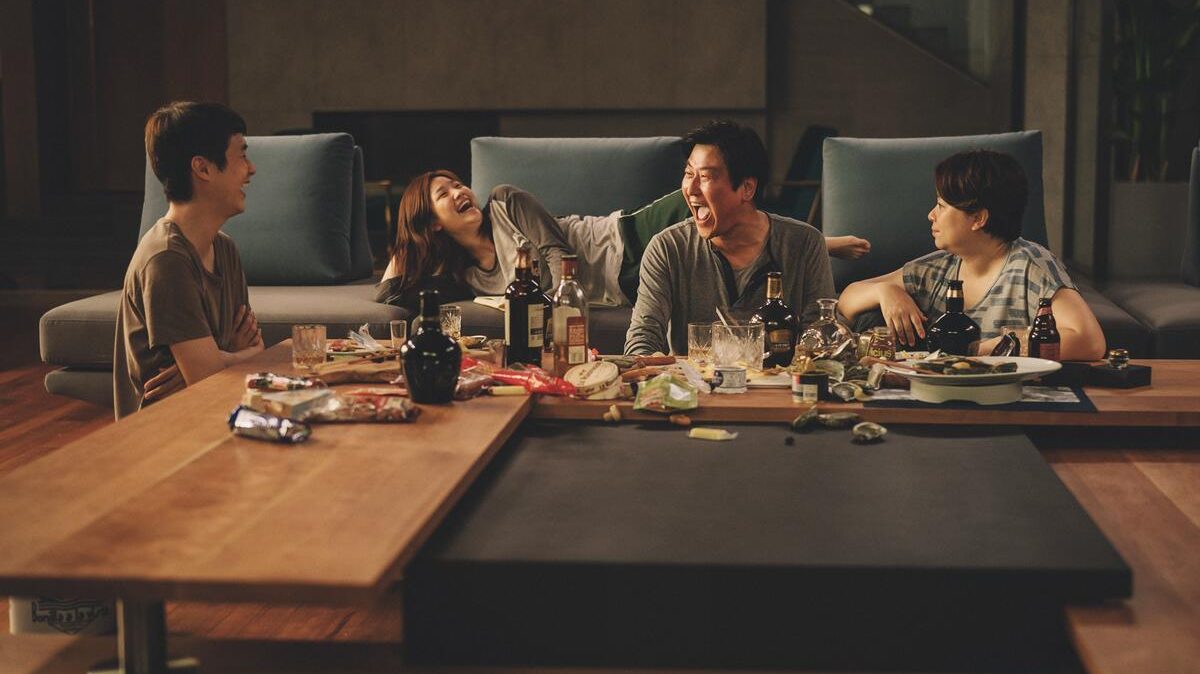
Movies it beat out: Ford v Ferrari, The Irishman, Jojo Rabbit, Joker, Little Women, Marriage Story, 1917, and Once Upon a Time in Hollywood.
In a year full of great movies by iconic and up-and-coming directors, the best film won. Truth be told, I would have been happy if any of these movies took home the big prize. I just didn’t realize how much I wanted Parasite to win, until it won.
I made the strange decision of watching Parasite in the afternoon before a night drinking with friends. I had heard the buzz and during this busy (and obviously pre-COVID) time of my life, I made time where I could. So after I did my make-up and got myself all dolled up to go out, I sat down to watch the South Korean movie that everyone was talking about. As it turns out, I spent the majority of the evening going on and on about the movie. Telling anyone who would listen to go watch it as soon as they could. With every drink I threw back, I grew more amped up about it.
Parasite is a nearly perfect movie on all levels. It’s well-acted, it’s a magically orchestrated allegory about class in South Korea, it is beautifully shot, it shocks you at every turn, and it leaves you with a feeling that doesn’t go away for a long time after you watch it. A feeling of a lack of security that is hard to shake.
Security is a very important thing to people in this day and age. Think of all the ads you see for security systems and cameras and identity theft protection. We strive day in and day out to protect our property, our materials, and ourselves. We strive to stay secure and it is this desire that Bong Joon-Ho is brave enough to poke at in this film. Underneath all the storytelling and the acting and the filmmaking, the simple idea that someone is living in your house and invading your space without your knowledge is one of the scariest things you can imagine. The reality and simplicity of it are genius.
This is a movie that finds it’s way under your skin and burrows in deep, making itself at home seemingly against your will. It’s the kind of movie that lives up to it’s title.
4. The Deer Hunter (1978)

Movies it beat out: Coming Home, Heaven Can Wait, Midnight Express, and An Unmarried Woman.
I caught the movie bug in high school. I wanted to see all the movies that people deemed good enough to be classics and to watch a new story unfold in front of me on the screen. Logically, on this journey to see as many films lauded both critically and commercially, I dove into IMDb’s top 250 movies list.
The Deer Hunter was just another one of the films on that list, one I chose to see because of the cast. One I knew nearly nothing about before watching.
After my first viewing of this three-part epic, I immediately rewatched it the next day. I had never seen anything quite like it. Much like those in your typical Tarantino film, the scenes were long. Each part of the journey took the time to deeply explore the characters, their motivations, and forced you to sit with the emotions. It takes the time to introduce you to these characters, for you to create bonds with each of them, before opening the flood gates. The development isn’t something you see in many modern films. This is what makes it stand out.
From a wedding in Pennsylvania to a traumatic day in Vietnam to life after war and ultimately a final deadly visit to Saigon, this movie is a long and emotionally taxing epic. A peak into the lives of those impacted by one of the countries most controversial military involvements. A tragedy not to be overlooked that inspired a film that is not to be overlooked.
3. Ordinary People (1980)
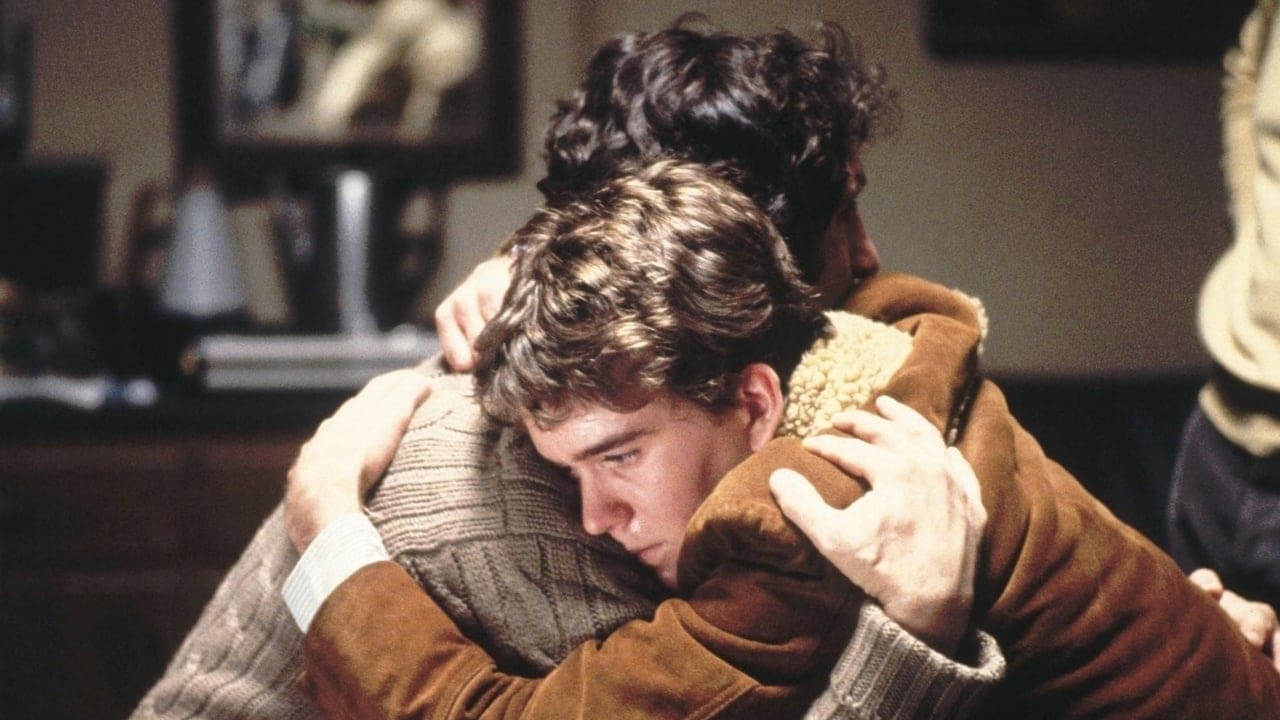
Movies it beat out: Coal Miner’s Daughter, The Elephant Man, Raging Bull, and Tess.
This one is going to ruffle some feathers. I understand the general feeling in the air amongst film-lovers that Raging Bull should have won this Best Picture race. I understand it, but I don’t agree with it.
Ordinary People is a movie that had a tremendous impact on me. It’s a movie that I have revisited several times throughout my life and has meant more to me with each viewing. It’s rare that a film this heavy and emotionally political is rewatchable, and yet this one begs to be revisited.
I could go on and on about this movie, but I will spare you. I have no doubt that I will take the time to write something singularly dedicated to this powerhouse of a film, so for now I will refrain from prattling on about it.
I do agree with the majority that Scorsese should have won Best Director for Raging Bull in place of Redford at the 53rd Academy Awards. The film is undeniably an astounding feat of directing. However, I cannot bow to the notion that this film was not the right film to win. I have far too many thoughts, feelings, and opinions about it to not die on this hill.
2. The Departed (2006)
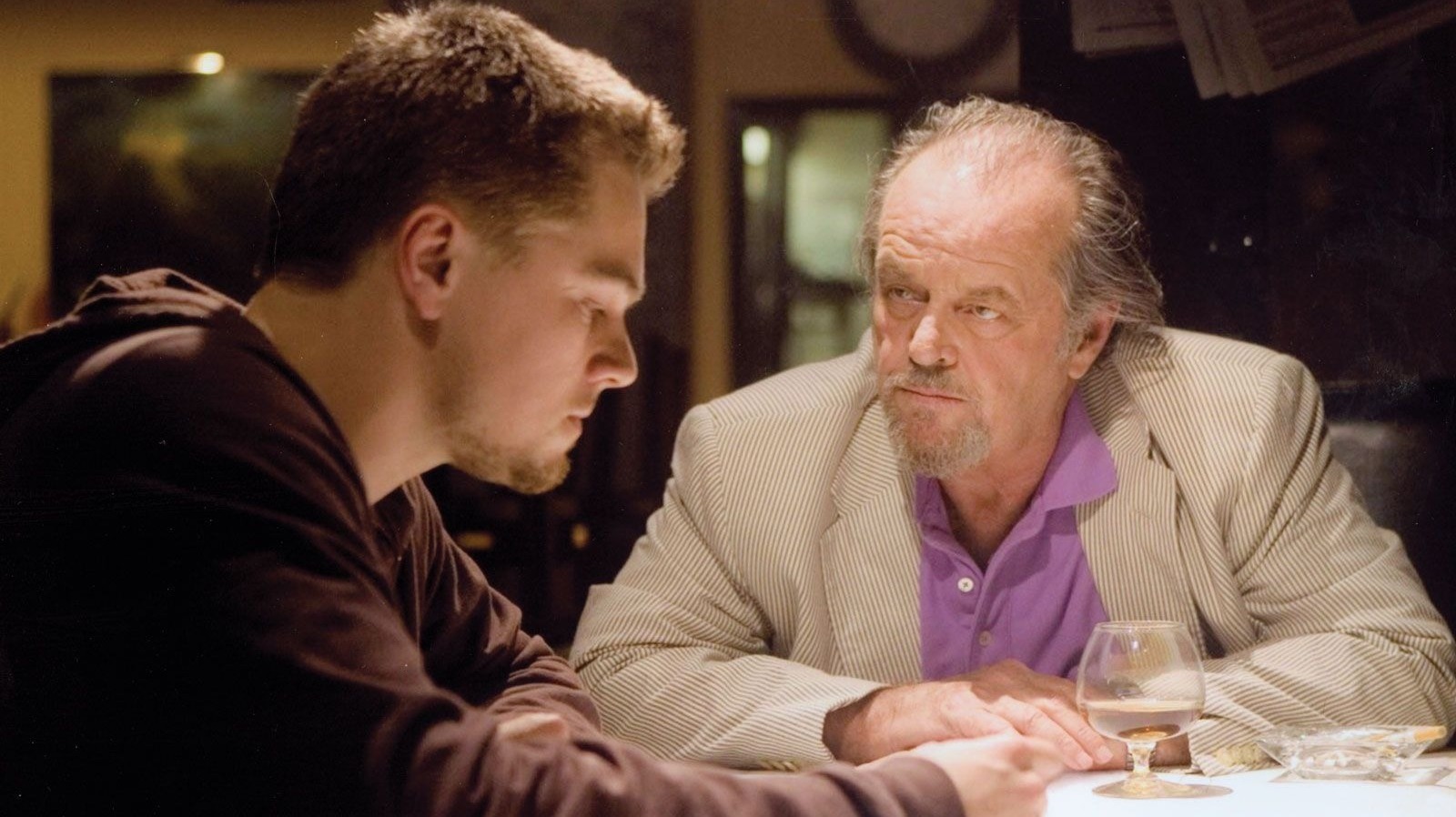
Movies it beat out: Babel, Letters from Iwo Jima, Little Miss Sunshine, and The Queen.
This was not a very contentious Best Picture race. At least not in hindsight. I acknowledge that in many years, Scorsese’s Boston crime thriller would not have taken home the top prize, but I am damn glad that it did.
In some ways, this movie is a mess. Each time I watch it there is at least one, if not multiple, moments where I wonder what Jack Nicholson was doing with this performance. While I believe he ultimately succeeds, I also believe if he had made a few different choices, he could have hoisted another Oscar this year. The Boston accents are also maddeningly inconsistent. The fact that they allowed Martin Sheen to sound the way he did and act alongside Mark Wahlberg still befuddles me. They shouldn’t have made his character have an accent, he should have been like one of the thousands of Bostonians that don’t have a thick and raging accent. It is such a strange choice.
Suffice to say, this is far from a perfect movie. But it’s a really fun one. As the viewer, you get to be privy to all the scandalous information. All the lies and double-crossing, all the pretending and acting. Or so you think. That’s part of the beauty of it all. The viewer in under the impression that they have all the information and the entertainment will come from seeing how it all plays out and how people react. In reality, what they don’t know is what makes this movie work so well. This is one of the few movies I have watched that made me scream. Not out of fear or disgust or anything like that, but out of pure shock. This movie doesn’t hold anything back – for better or for worse – and it’s a thrilling ride the entire time.
Big shoutout to my boy Marty for finally taking home that much deserved Best Director for this one. Also shoutout to local legend Mark Wahlberg to giving one of the most balls to the walls performances I have ever seen. Staff Sergeant Dignam is a hero.
1. The Sound of Music (1965)
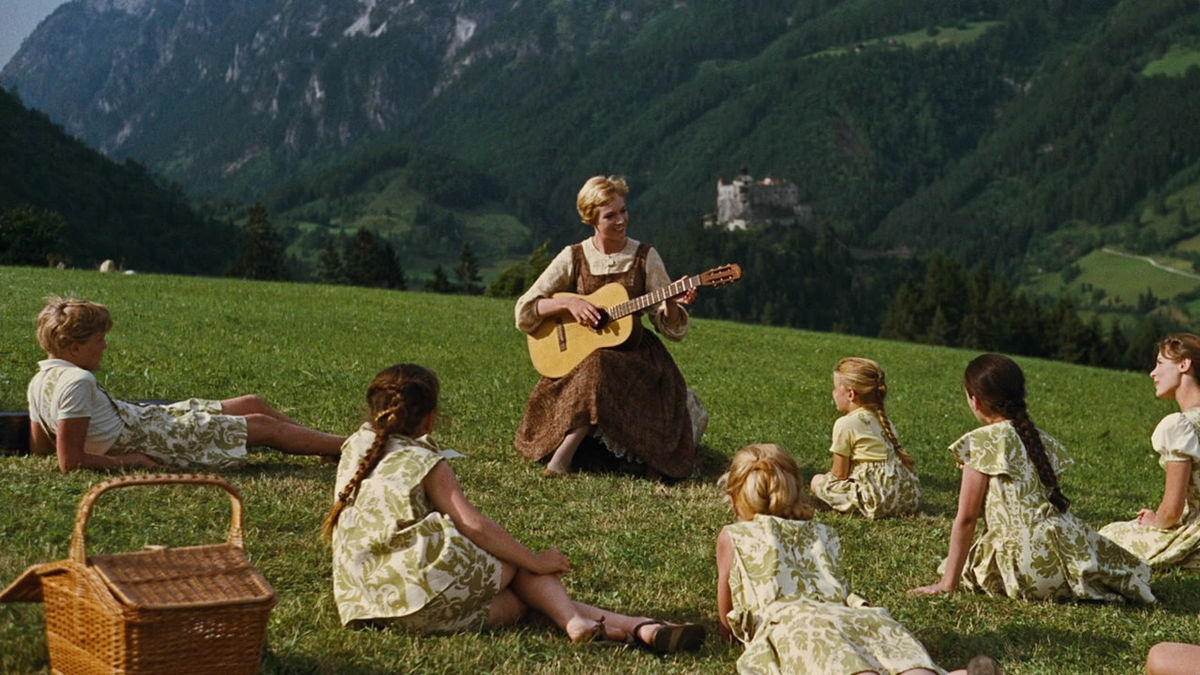
Movies it beat out: Darling, Doctor Zhivago, Ship of Fools, and A Thousand Clowns.
Hand up, this is a sentimental pick.
Let’s start at the very beginning, it’s a very good place to start. Underneath all my layers, I am a musical nerd. I love when people sing in movies, especially when the person singing is Julie Andrews. This movie captures that nerdiness and allows it to roam free.
As a millennial – a cusp millennial, but a millennial nonetheless – my first memories of this film involved changing the VHS midway through. This nostalgia is a part of this movie’s charm, it brings back so many memories with each scene. Memories of my mom and I singing along to each song as we had an impromptu viewing one afternoon. Memories like that of one of my close friends who, far later in her life than she would care to admit, found out there was a second part to the movie. It didn’t just end with Maria leaving the party. As it turns out, her parents opted not to show her the second half of the film to spare her from the Nazis.
It’s a movie that dug it’s way into the core of my being. Christopher Plummer has always reminded me of my late grandfather, bringing a warmth to me each moment he is on the screen. It’s my exception to the rule that you shouldn’t sing along to a song during a moment. My logic that you can just listen to the song after you watch it if you want to sing along, is thrown out the window. It doesn’t take away from the experience, it adds to it. I sang “Sixteen Going On Seventeen” at my first high school musical audition. And I got the lead role – well, the understudy to the lead role, but still.
Some movies creep into your life and never go away. They weave themselves into your identity. This movie is one of mine. It’s hard for me to talk about it without getting incredibly cheesy and lame. I will refrain from getting deep into it, but I will end with this: each time I watch the performance of “Do Re Mi,” I cry. I acknowledge that it is not a sad song or a sad scene by any means, but there is something so unparalleled about beautiful about it to me. The music, the journey the characters go on through Salzburg as they perform, Julie’s final pose – there is nothing else like it. It moves me to the point of tears with the same consistency that the Lion Kind does, but without the sorrow.
Well look at that, I got a little too cheesy and lame. My bad.
 Just One Girl's Opinion
Leave a comment